

Electrify. Electrify. Electrify.
Electricity plays a larger role in every plausible energy future explored in Statkraft’s Green Transition Scenarios 2026.
Global Outlook | Europe | Nordics | North America | South America
By 2050, global electricity demand could grow by 48% to more than 100%, while renewables could supply 62% to 80% of global electricity.
But producing more renewable power is only part of the answer. The countries and companies that connect, store, move and use electricity most effectively will be better positioned to compete in the emerging electric economy.
Explore four plausible pathways to 2050 and the choices shaping energy security, competitiveness and resilience.
Four scenarios. Global, European, Nordic, Norwegian and regional perspectives. One report.

About the energy report
Green Transition Scenarios 2026 is the 11th edition of Statkraft's annual flagship energy outlook. The report explores four plausible pathways for the global energy system from 2026 to 2050, with dedicated perspectives on Europe, the Nordics, Norway and other key markets. Drawing on expertise from across Statkraft, it helps decision-makers navigate the opportunities, uncertainties and trade-offs shaping energy security, competitiveness, electrification and decarbonisation in the decades ahead.
A more difficult world. A transition that continues.
Geopolitical tension, fragmented trade and political uncertainty could slow the energy transition. But across all four scenarios, renewables continue to grow because they are increasingly competitive and can strengthen energy security.
Politics will influence how fast, efficiently and evenly the transition unfolds. It will not determine whether renewable power continues to expand.
At the same time, the role of electricity grows in every scenario. The question is no longer only how much renewable energy the world can generate. It is whether power systems, infrastructure and markets can develop quickly enough to use it effectively.
The Iran war has created a global energy shock. How is this different from previous oil shocks?
Today's energy crisis is unfolding in a very different energy system than previous oil shocks. In this short video, Hanne Melfald, Head of International Affairs at Statkraft, explains what has changed and what it could mean for energy security.

What does “Electrify” mean?
Electrification is about more than electric vehicles, heat pumps or industrial processes. It includes building the entire electricity economy.
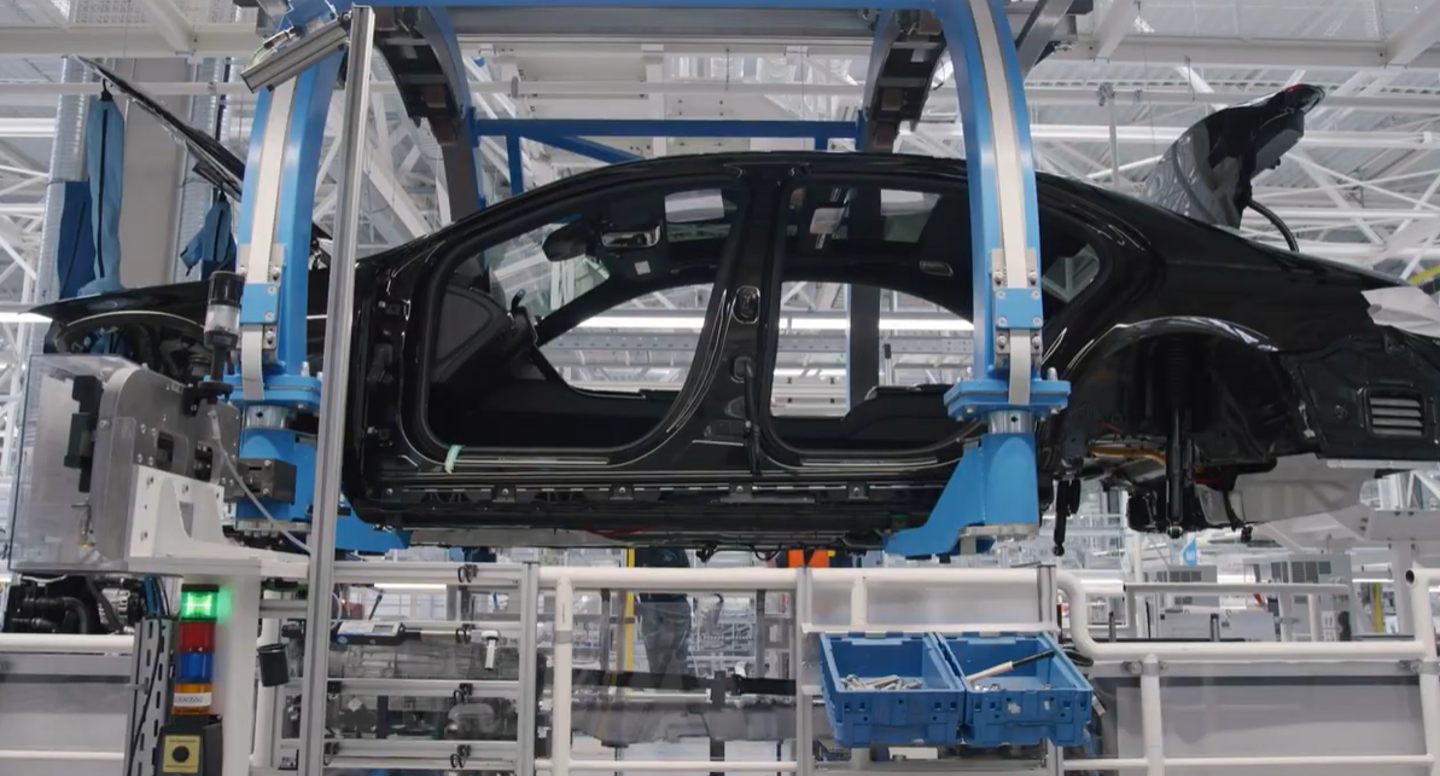
Electrify.
More efficient use of energy
Electrify transport, buildings and industry to improve efficiency and reduce dependence on fossil fuels.
Electric vehicles, heat pumps and electrified industrial processes can deliver the same outcome using significantly less energy than fossil fuel alternatives.
Use electricity more efficiently.

Electrify.
Generate more renewable power
Expand renewable generation to meet growing electricity demand and strengthen energy security.
Electrify power systems with renewable generation.
Wind, solar and hydropower increasingly become the backbone of electricity supply across all Green Transition Scenarios.
Generate more clean electricity.

Electrify.
Build the infrastructure
Build and connect grids, storage, flexibility, digital infrastructure, charging networks and interconnectors so electricity can be used where and when it is needed.
Generating more clean power is only part of the challenge. The real test is integrating it into the system.
Electrify infrastructure. Move electricity where it matters.

Electrify.
Enable the markets
Reward flexibility, balancing services, innovation and smarter market design so the electricity system can operate efficiently.
The future is not simply powered by electricity.
It is coordinated by intelligent electricity systems.
Make electricity work harder.
Four futures. Decisions that matter now.
The future is not predetermined.
Green Transition Scenarios 2026 explores four plausible pathways shaped by geopolitical cooperation, policy, technology, infrastructure and market development. Together, the scenarios show the range of possible outcomes, and where decisions made today could have the greatest impact.
-

Green
Faster cooperation, deployment and system integration accelerate the transition.
-

Gridlock
Renewable generation continues to grow, but infrastructure and permitting constraints slow progress.
-

Uneven Progress
Some regions and technologies advance faster than others, creating a fragmented transition.
-

Unrest
Political and economic disruption slows momentum, but competitive renewable technologies continue to expand.
Together, the scenarios show the range of possible outcomes, and where decisions made today could have the greatest impact.
The numbers behind the age of electricity
-
+48% to more than +100%Potential growth in global electricity demand by 2050 across the four scenarios.
-
62% to 80%Potential renewable share of global electricity generation by 2050.
-
20% to 56% lowerPotential reduction in global energy-related CO₂ emissions from today’s level by 2050.
Every scenario
Electricity and renewable power grow even as geopolitical and policy conditions differ.
Watch the Global and European Outlook
The energy transition is entering its electric age. In this presentation from the launch of Green Transition Scenarios 2026, Torjus Folsland Bolkesjø, VP Head of Global Drivers at Statkraft, shares key findings on electrification, energy demand, competitiveness and the future of Europe's energy system.
Why efficiency changes the equation
Electrification can allow societies to meet some energy needs using substantially less energy.

Electric vehicles
A fossil-fuel vehicle loses most of its energy before it reaches the wheels. Across the full energy chain, an electric vehicle can be three to six times more energy efficient.
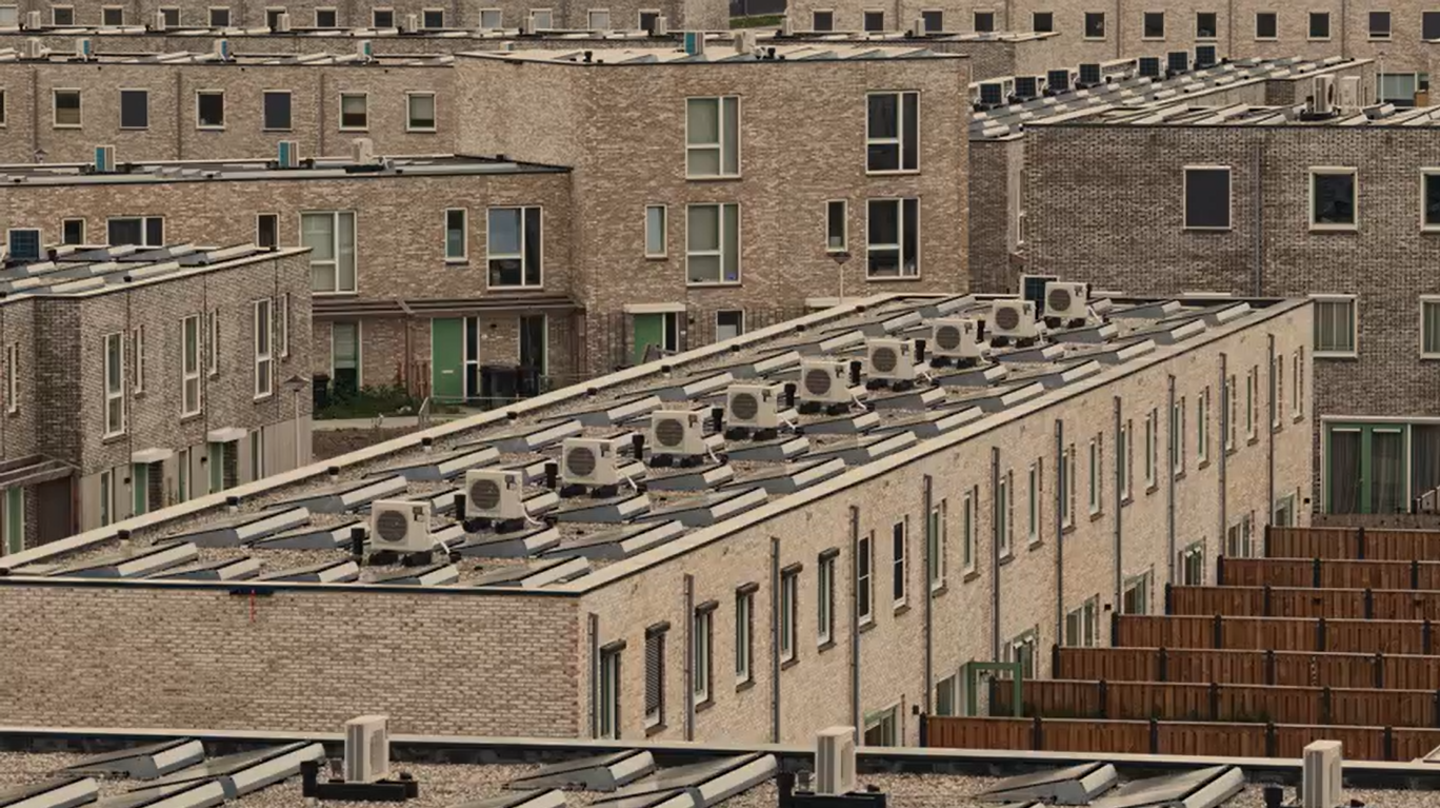
Heat pumps
Heat pumps move heat instead of generating it by burning fuel. They can reduce energy use by ~70% compared with conventional fossil-based heating systems.
Electrification does not remove the need for new power generation and infrastructure. But greater efficiency can make better use of the energy available

Europe
Can Europe compete on imported fossil fuels?
Europe currently imports 57% of the energy it uses. In 2025, its fossil-fuel import bill reached €396 billion.
At the same time, around 70% of Europe’s electricity is already clean, while electricity represents only approximately 23% of final energy demand.
Replacing imported fossil fuels with increasingly clean electricity could reduce exposure to volatile fuel markets and use energy more efficiently. But Europe will need more than renewable generation. It will need grids, storage, flexibility, interconnection and regulation capable of integrating electricity at greater scale.
28% or 46%?
Across the scenarios, electricity could represent around 28% to 46% of Europe’s final energy demand in 2040.
The difference is not predetermined. It depends on the choices made now.
Electrify. Electrify. Electrify.
For competitiveness.
For energy security.
For resilience.
For a lower-carbon future.

Região Sul – Planta Monjolinho
South America
Clean electricity alone is not enough
South America demonstrates one important lesson from Green Transition Scenarios 2026.
The region already has one of the cleanest electricity systems in the world, powered largely by hydropower, wind and solar. Yet transport remains heavily dependent on oil and electricity still accounts for only around 20% of final energy consumption.
The lesson is clear: the transition is not only about producing clean electricity. It is about using clean electricity across the economy.
A clean power system cannot fully deliver energy security, resilience and competitiveness if transport, buildings and industry still depend on fossil fuels.
Electrify generation. Electrify transport. Electrify demand.
Electrify. Electrify. Electrify.

North America
The AI race is becoming an electricity race
Data centres can be built in years. Grid infrastructure often takes much longer.
Across our scenarios, electricity demand in North America grows significantly as AI, digital infrastructure and industry place increasing pressure on power systems.
The challenge is not only generating electricity. It is delivering electricity where and when it is needed.
Electrify infrastructure. Electrify flexibility. Electrify growth.
Electrify. Electrify. Electrify.

Nordics
The Nordic surplus cannot be taken for granted
The Nordic region remains one of the world's cleanest and most integrated electricity systems.
Yet electricity demand is beginning to rise again from transport, industry and data centres. In some scenarios, demand grows faster than supply, tightening the historic power surplus.
Success increasingly depends on how quickly generation, transmission and demand can develop together.
Electrify supply. Electrify industry. Electrify infrastructure.
Electrify. Electrify. Electrify.

Norway
Norway has resources. But does it have the speed?
Demand could grow faster than supply towards 2030. More domestic generation and stronger internal grid capacity will be needed.
Electrify generation. Electrify grids. Electrify progress.
Electrify. Electrify. Electrify.
Hear from the experts | The findings behind the scenarios
In this short series, Statkraft’s analysts explain what the scenarios reveal about emissions, electrification, renewable growth and the infrastructure needed to support the emerging electricity economy.
2°C, 3°C, or something else? How hot is the world really heading?
Have we lost the climate battle? Energy-related CO₂ emissions flatten in the coming years and then begin to decline across all four scenarios. But how far can they fall, and what could that mean for future warming?
In this short video, Mari Grooss Viddal, Head Analyst, Corporate Strategy at Statkraft, explains why every degree, and every fraction of a degree, still matters.
Why clean electricity is only the beginning?
South America already runs one of the cleanest electricity systems in the world. So why is it still so exposed to oil shocks?
In this short video, Jorge Luiz Garioli Correa, Senior Analyst, Corporate Strategy at Statkraft, explains why the next phase of the energy transition is not only about generating clean electricity, but about connecting transport and demand to that electricity system.
Electrify everyday energy
Electric cars and heat pumps can deliver the same services we rely on every day while using far less energy.
In this short video, Heidi Pegill Haugstad, Senior Analyst, Corporate Strategy at Statkraft, explains why efficiency may be one of the most overlooked benefits of electrification.
What will the age of electricity mean for you?
Green Transition Scenarios 2026 report is designed for leaders making long-term decisions about:
- Energy and industrial strategy
- Power procurement and market exposure
- Infrastructure and investment
- Competitiveness and business location
- Energy security and resilience
- Technology and policy development
Download the report to explore the evidence, uncertainties and choices shaping the global energy system to 2050.
Electrify. Electrify. Electrify.
Download Green Transition Scenarios 2026
Complete the form to receive the report.
Get the full analysis
Register to access the Green Transition Scenarios 2026 report, including the global outlook and dedicated perspectives on Europe, the Nordics, Norway and other key markets.
We collect this information to provide the report, tailor relevant follow-up and avoid unnecessary communication. We treat your data securely and responsibly.
The future is increasingly electric.
The question is how quickly countries, companies and power systems prepare for it.
Download Green Transition Scenarios 2026

How have the Green Transition Scenarios evolved over time?
Explore previous editions and see how the outlook for the energy transition has changed.
Discover more